The Hidden Revenue Stream Inside Your Slicer: How Makers Are Cashing In on Print Expertise
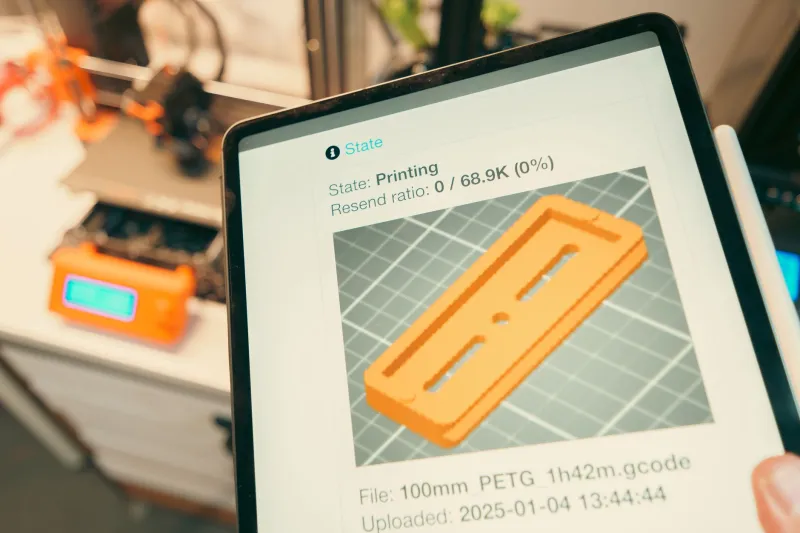
Let's be honest — when most people think about making money with 3D printing, they picture a build plate full of parts, a shipping label printer, and a steady stream of orders. That's one way to do it. But increasingly, some of the sharpest operators in the American maker community are discovering that the most valuable thing they own isn't a printer at all. It's the knowledge crammed into their slicing software.
The profiles, the firmware tweaks, the material recipes dialed in through months of failed prints and midnight calibration runs — that's where the real intellectual capital lives. And a growing number of shops are turning it into serious money.
Your Settings Are a Product (You're Just Not Selling Them)
Think about what it actually takes to nail a perfect print on a new material. You're not just hitting "slice" and walking away. You're adjusting retraction distances, fine-tuning cooling curves, fighting stringing, wrestling with layer adhesion, and rebuilding support strategies from scratch. That process can take days — sometimes weeks — for a single material-machine combination.
Now imagine another shop owner, three states away, just bought the same printer you run. They're staring at the same problems you already solved six months ago. They'd pay for a shortcut. And that's exactly what makers like Denver-based fabricator Kyle Marsh figured out.
Kyle spent about two years running production prints for local engineering firms before he realized clients kept asking him how he was getting such clean results. "I started getting more questions about my process than I did orders for parts," he says. "At some point I just thought — why am I giving this away for free?"
He packaged his FDM profiles for four common engineering materials into a downloadable bundle, listed it on a maker-focused marketplace, and made back his printer's cost in under 90 days.
What You Can Actually Sell
The monetizable outputs here are more varied than most makers realize. Let's break down what's actually in play:
Slicer Profile Packs — These are curated, machine-specific setting files optimized for particular materials or use cases. High-detail miniatures, functional mechanical parts, flexible TPU gaskets — each has its own ideal configuration. Shops that have done the legwork can sell these outright on platforms like Gumroad, Etsy, or their own storefronts.
Print Optimization Consulting — This is the higher-ticket play. You're not selling a file; you're selling your time and expertise to help another shop solve a specific problem. Hourly rates in this space can run $75–$200 for experienced operators, and many find that a single afternoon call pays better than a full day of printing parts.
Licensing Agreements — This is where things get interesting for shops with genuinely proprietary workflows. If you've developed a repeatable process for printing, say, structural brackets within a specific tolerance window using a particular material blend, you can license that process to other fabricators who want to offer the same capability without reinventing the wheel. This is still emerging territory in the maker world, but early movers are already structuring basic licensing deals.
Training and Workshops — In-person or virtual workshops focused on slicer mastery, support generation, or material optimization are pulling real numbers. Makers with a knack for teaching are booking multi-hour sessions through platforms like Teachable or straight through their own sites.
The Documentation Problem (And Why It's Actually an Opportunity)
Here's something a lot of makers skip: thorough documentation. Most shops don't write down why they made a specific setting choice — they just know it works. That's a problem if you're trying to sell or license your knowledge, because buyers need to understand the reasoning, not just copy the numbers.
But here's the flip side — if you start documenting your process now, you're building an asset. A well-documented profile pack with explanatory notes commands significantly higher prices than a raw settings file. A consulting client who gets a clear written breakdown of your recommendations is far more likely to become a repeat customer.
Ashley Tran, who runs a small print shop in Austin, Texas, started keeping a running Notion doc of every major setting decision she made and why. Eighteen months later, that document became the backbone of a paid online course she launched to other FDM operators. It crossed $40,000 in sales in its first year.
Pricing Your Expertise Without Underselling It
This is where a lot of makers stumble. There's a cultural tendency in the maker community to give knowledge away — tutorials, forum posts, open-source profiles. That generosity is part of what makes the community great. But it can also make it hard to shift gears into charging for what you know.
A useful reframe: you're not charging for the file. You're charging for the hundreds of hours of failed prints, wasted filament, and iterative testing that produced the file. The buyer isn't paying for a document — they're paying to skip a painful and expensive learning curve.
Profile packs typically sell anywhere from $15 to $150 depending on depth and specificity. Consulting sessions run $75–$250 per hour at the professional end. Licensing deals vary wildly but can generate passive income for years if structured correctly.
Getting Started Without Overcomplicating It
You don't need a full product suite on day one. Pick one thing you do exceptionally well — maybe it's printing flexible materials with zero stringing, or generating supports that snap off cleanly every time — and document that process thoroughly. Package it simply. Put it somewhere people can find it.
The first sale will feel weird. The tenth one will feel like a business.
American makers have always had a knack for turning hard-won practical knowledge into something bigger. The slicer is just the latest frontier. Your settings are worth more than you think — it's time to act like it.